Navigating the Cancer Journey: Essential Resources and Support for Patients and Survivors
Navigating through a cancer journey is like charting unknown waters. It can be overwhelming, daunting, and at times, downright scary. But you’re not alone on this journey; there are resources waiting to be unlocked, as well as communities eager to support you. Understanding the intricate world of oncology and the maze of patient resources available can make a significant difference in your experience. In this guide, we will highlight essential cancer advocacy and support mechanisms designed to enhance your well-being, be it through education, community support, or navigating complex treatment options. Are you ready to take the helm and steer your journey towards better health?
When faced with a cancer diagnosis, patients often find themselves bombarded with numerous options that can feel paralyzing, like staring at a vast ocean with no compass. It's crucial to grasp the multitude of patient resources available. From cancer education that breaks down the specifics of your malignancy to community support groups that foster connection and understanding, these resources are essential lifelines. Imagine chatting with others who truly “get it”—that shared experience can provide not just comfort, but valuable insights into symptom management and prevention strategies that may help you embrace a healthier lifestyle during and after treatment.
Advocacy is a powerful tool in your cancer journey. With new research and innovations frequently shaping the landscape of treatment options, being an informed advocate for yourself is more essential than ever. Engaging in discussions about clinical trials can unlock groundbreaking therapeutics like immunotherapy or radiation therapy. Did you know that some of the most effective treatments start with patients like you participating in clinical trials? Embracing the role of an advocate means asking questions, exploring alternatives, and staying informed about medical news that could significantly impact your care. What if asking the right questions could open doors to breakthrough treatments?
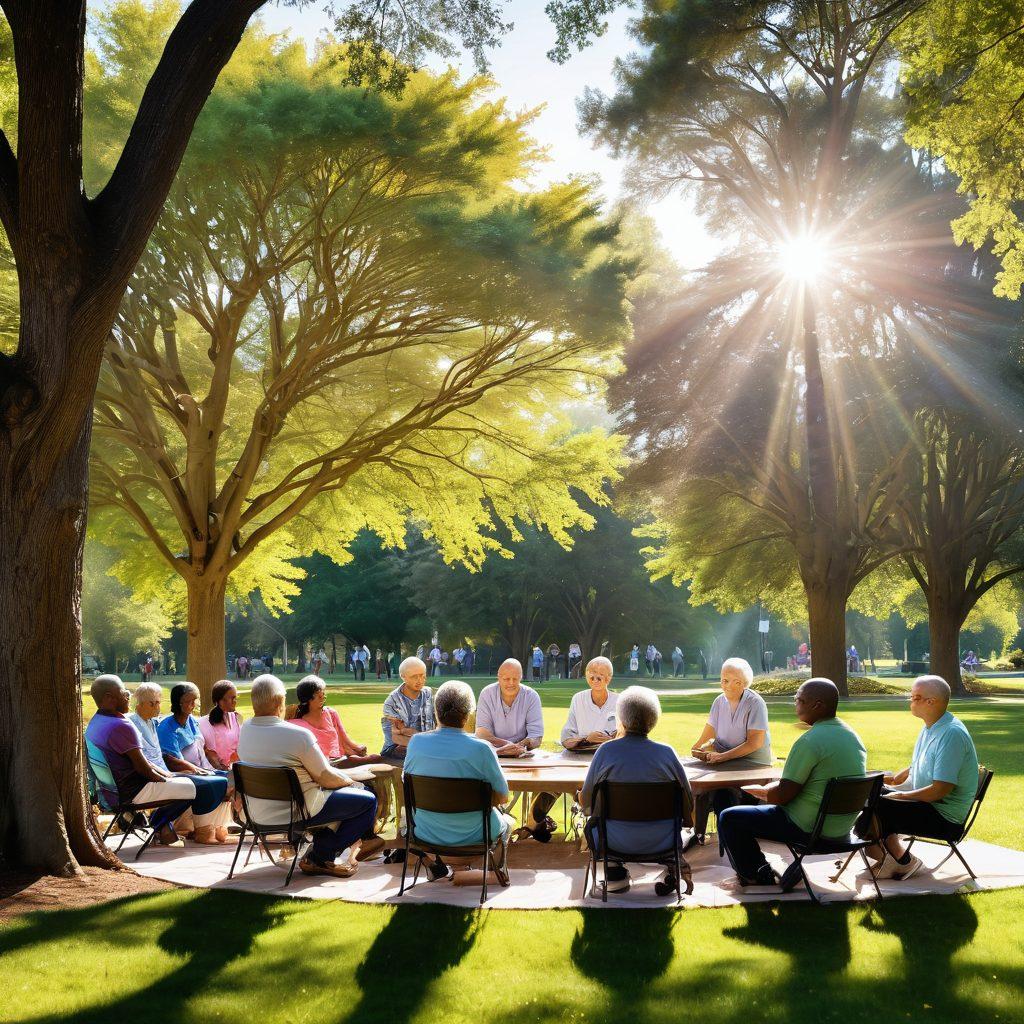
Support groups serve as vital anchors in turbulent waters, offering a safe harbor full of understanding and empathy. Participating in these groups doesn’t just provide a platform for sharing experiences; it can lead to heartwarming friendships, mentorship opportunities, and practical health tips that others may have found beneficial. Whether it’s discussing coping mechanisms with peers or learning about effective symptom management strategies, the wealth of information exchanged can bolster your resilience. Consider the saying, 'Shared joy is double joy; shared sorrow is half sorrow.' How might knowing you aren’t alone change your perspective on this journey?
Ultimately, navigating the cancer journey is a blend of personal will and communal support. As you explore patient resources and engage in cancer advocacy, keep your focus on self-care and survivorship. This encompasses preventive care and making informed decisions about lifestyle changes that enhance your health. Remember, your journey doesn't end with treatment—thriving as a cancer survivor means continuing to seek knowledge, advocate for wellness, and support others on similar paths. So, what’s your next step in unlocking vital patient resources? The key is in your hands, and the right door is waiting to be opened!
Empowering Survivors: Navigating Treatment Options and Clinical Trials
Navigating the cancer journey is undoubtedly one of the most challenging paths one can travel. As a survivor or a patient, the myriad of treatment options available can feel overwhelming—almost like standing at a crossroads without a map. However, empowering yourself with knowledge about treatment options, clinical trials, and patient resources can transform your experience from one of confusion to clarity. Understanding your choices not only promotes well-being but also serves as an essential tool in the fight against malignancy. Remember, as someone wisely said, 'Knowledge is the first step toward healing.'
The world of oncology is vibrant with possibilities, especially when it comes to treatment options. From chemotherapy and radiation therapy to the more dynamic immunotherapy, each step in the treatment process offers new avenues for hope. But how can one navigate these choices? Start by engaging in thorough cancer education. Equip yourself with the latest medical news and research that will inform your decisions. Explore the variety of therapeutics available, and don’t hesitate to ask your healthcare provider questions. After all, when it comes to your health, there is no such thing as too much knowledge! What questions would you ask if you understood the potential treatment options fully?
Survivorship often comes with a search for community and support. Just like a captain steering a ship through stormy seas, sometimes we all need a little help from our friends. Support groups can significantly enhance your survivorship experience by connecting you with others who are traversing similar paths. Sharing stories, tips on symptom management, and even health tips can be instrumental. Have you ever encountered a story that uplifted your spirit during difficult times? When survivors come together, their shared experiences can light the way for one another, creating an empowering environment for everyone involved.
Are you familiar with clinical trials? They are often seen as the frontier of cancer treatment research, where new treatments and preventative care strategies are tested. Participating in a clinical trial can be a way for patients to access cutting-edge treatments that are not widely available yet. Ask your oncologist if there are any trials suited to your specific tumor diagnosis. It’s essential to weigh the benefits against the risks, but exploring this avenue may lead to breakthroughs in your treatment pathway. How does the thought of being part of something greater than yourself feel when considering a trial?
Paving the way for a healthy lifestyle is also a game-changer in navigating your cancer journey. Each of us can implement small adjustments—incorporating balanced diets, regular exercise, and mindfulness practices can make a significant difference. Preventive care shouldn’t be overlooked, as it plays a vital role in physical and emotional health post-treatment. It’s not just about surviving; it's about thriving! So, what step will you take today toward embracing a healthier, more informed lifestyle? The journey continues, but every step you take is a step towards empowerment, education, and ultimately, healing.
Healthy Living Beyond Diagnosis: Strategies for Wellness and Symptom Management
When faced with a cancer diagnosis, the journey often feels overwhelming, drawing you into a whirlwind of medical terminology, treatment options, and emotional ups and downs. Navigating through these waters can seem daunting, but it’s important to remember that it’s not a path you have to walk alone. As renowned oncologist Dr. Susan Love once said, 'A diagnosis is only a starting point; it's not the end of your journey.' So how can we shift our focus from merely surviving to thriving, especially when we consider healthy living beyond diagnosis?
First things first, let’s talk about the concept of wellness after a diagnosis. While cancer treatments like chemotherapy, radiation therapy, and immunotherapy can be quite effective against malignancies, they often come with their own set of symptoms and challenges. Engaging in preventive care and symptom management, including nutrition and physical activity, can significantly enhance your well-being during and after treatment. Think of it like this: your body is a garden, and you must nourish it to flourish. What healthy lifestyle choices can you incorporate today to prepare your ‘garden’ for growth?
Moreover, cancer education is crucial as you embark on this journey. Being informed about new research and treatment options, including clinical trials, empowers you to take control of your health. Staying updated with the latest in medical news opens doors to novel therapeutics that can potentially make a significant impact on your wellness. Join a support group filled with those who understand your journey; you may find shared experiences and insights that could transform your outlook on survivorship and healing.
Now let's delve into community support. Surrounding yourself with a network of family, friends, and fellow survivors fosters a sense of belonging and helps combat feelings of loneliness and isolation. Remember that vulnerability is a strength; sharing your fears and challenges in a supportive environment can lead you to tips and strategies for better symptom management. Have you considered how sharing your experience might influence others?
Lastly, never underestimate the importance of self-care and mental well-being. Mindfulness practices, such as meditation or yoga, can provide significant relief while fostering resilience. Explore activities that bring you joy and peace, whether it’s painting, gardening, or simply soaking up nature. What steps can you take today to prioritize your mental health? With the right tools and resources, you can forge a path towards a healthier future. Your journey doesn’t end with diagnosis; it transforms into one of empowerment and hope, ready to embrace a life full of possibility.